- English
- Español
- Português
- русский
- Français
- 日本語
- Deutsch
- tiếng Việt
- Italiano
- Nederlands
- ภาษาไทย
- Polski
- 한국어
- Svenska
- magyar
- Malay
- বাংলা ভাষার
- Dansk
- Suomi
- हिन्दी
- Pilipino
- Türkçe
- Gaeilge
- العربية
- Indonesia
- Norsk
- تمل
- český
- ελληνικά
- український
- Javanese
- فارسی
- தமிழ்
- తెలుగు
- नेपाली
- Burmese
- български
- ລາວ
- Latine
- Қазақша
- Euskal
- Azərbaycan
- Slovenský jazyk
- Македонски
- Lietuvos
- Eesti Keel
- Română
- Slovenski
- मराठी
- Srpski језик

How to Choose the Best LED Area Light for High-Performance Outdoor Illumination?
LED area lights are engineered to provide wide, uniform illumination for outdoor spaces such as parking lots, commercial complexes, sports zones, industrial yards, campuses, and public streets. Known for their energy efficiency, long service life, and enhanced visibility, these lighting systems have rapidly replaced traditional metal halide and HPS fixtures.
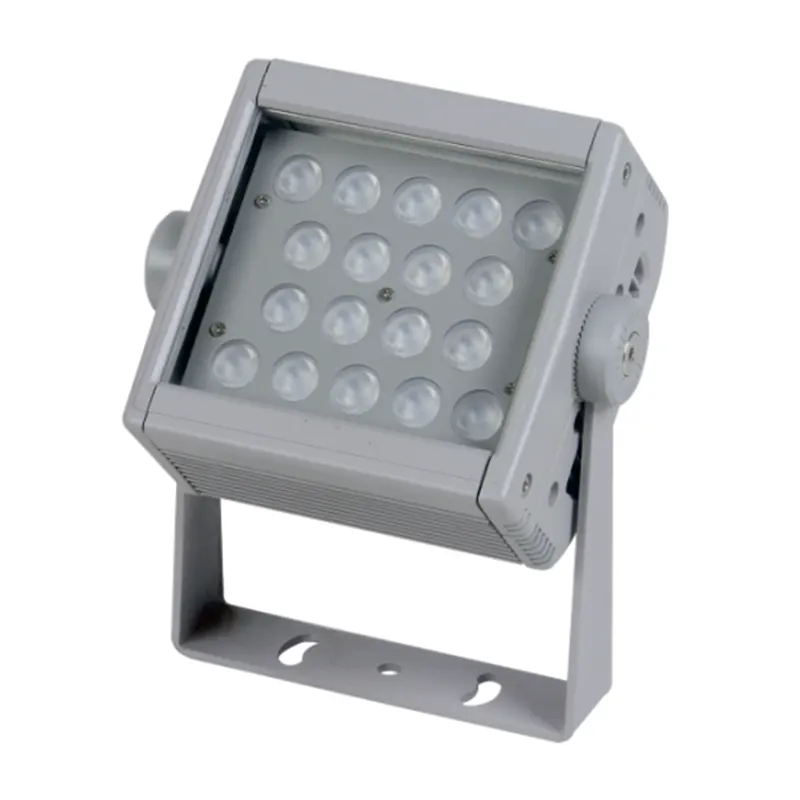
Core Product Specifications: Technical Overview of LED Area Lights
Below is a consolidated specification table designed to present essential technical details relevant for commercial buyers, engineers, and contractors selecting LED area lights.
LED Area Light Technical Specifications
| Specification | Details |
|---|---|
| Wattage Range | 100W–300W for standard outdoor applications |
| Luminous Efficacy | 140–170 lm/W depending on model |
| Color Temperature Options | 3000K / 4000K / 5000K / 5700K |
| Input Voltage | AC 100–277V or AC 277–480V for industrial installations |
| Beam Types | Type II, Type III, Type IV, Type V |
| CRI (Color Rendering Index) | ≥ 70 or ≥ 80 options |
| Material | Die-cast aluminum housing with corrosion-resistant coating |
| Lens Material | Polycarbonate or tempered glass |
| IP Rating | IP65 / IP66 for outdoor waterproofing |
| IK Rating | IK08 for impact resistance |
| Mounting Options | Slip fitter, arm mount, trunnion, yoke mount |
| Operating Temperature | -40°C to 50°C |
| Certification | DLC, UL, CE, RoHS |
| Control Options | Dusk-to-dawn photocell, PIR sensor, 0–10V dimming |
How to Evaluate the Best LED Area Light for Outdoor Projects?
Choosing the right LED area light involves more than selecting wattage. It requires assessing multiple performance factors to match environmental conditions and lighting goals. Below are the four essential evaluation nodes.
Node 1: Determine Illumination Requirements & Photometric Needs
The initial step is analyzing the lighting purpose and coverage expectations:
-
Parking lots require Type III or Type IV distribution for broader coverage.
-
Roadways benefit from Type II or Type III distributions for elongated, directional light patterns.
-
Large industrial yards typically use Type V distribution for uniform, circular coverage.
-
Sports or recreational areas rely on higher lumen output with precise beam control.
Key evaluation factors:
-
Illumination uniformity: Reduces dark zones and improves safety.
-
Mounting height: 20–35 feet is common for commercial installations.
-
Brightness level: Measured in lumens rather than wattage.
A well-matched photometric design ensures optimal visibility, compliance with lighting standards, and reduced light pollution.
Compare Construction Quality & Environmental Resistance
Long-term durability is influenced by material selection and fixture engineering.
Critical elements to examine:
-
Housing Strength: Die-cast aluminum ensures better heat dissipation and corrosion resistance.
-
Heat Management: Integrated fins and thermal management systems prolong LED chip life.
-
Optical Lens: High-transparency polycarbonate improves lumen output and protects internal components.
-
IP65/IP66 Rating: Guarantees protection from rain, dust, and environmental stress.
-
IK08 Rating: Ensures the fixture can withstand physical impact, essential for public facilities.
An industrial-grade LED area light extends service life and minimizes maintenance costs in demanding outdoor environments.
Evaluate Efficiency, Controls & Operational Savings
Energy and control features determine long-term cost efficiency.
Consider the following indicators:
-
Luminous Efficacy: Higher lm/W output delivers more brightness per watt consumed.
-
Advanced Drivers: High-quality drivers reduce flicker and support high-voltage environments.
-
Smart Controls:
-
Motion sensors activate lighting only when needed.
-
Photocells automate dusk-to-dawn operations.
-
0–10V dimming optimizes efficiency during low-traffic hours.
-
-
Energy Savings: LED area lights typically reduce power consumption by 60–80% compared with traditional lighting.
Projects seeking environmental certifications or sustainability recognition benefit from advanced energy control technologies.
Consider Future Trends & Technological Advancements
The LED outdoor lighting market continues to evolve. Understanding future developments helps ensure long-term adaptability.
Emerging trends include:
-
Smart city integration: LED area lights equipped with IoT modules to enable remote monitoring and real-time diagnostics.
-
AI-enhanced lighting: Adaptive lighting that adjusts brightness based on weather, traffic flow, or pedestrian movement.
-
Higher efficacy chips: Next-generation LED chips aim for 200 lm/W+ output.
-
Eco-friendly materials: Manufacturers increasingly shift toward recyclable housings and components.
-
Solar-hybrid systems: Expect a rise in solar-assisted LED area lights for regions prioritizing renewable power sources.
Selecting future-ready products ensures compatibility with evolving energy standards and urban development initiatives.
Common Questions About LED Area Lights
Q1: How long do LED area lights typically last?
A: Most high-quality LED area lights operate for 50,000–100,000 hours depending on environmental conditions and thermal management. This equals 10–20 years of operation when used for 10–12 hours per day. By incorporating efficient heat dissipation and premium LED chips, the lifespan remains consistent even under demanding outdoor climates.
Q2: What beam type should be chosen for a parking lot installation?
A: Type III is widely recommended for parking lots because it provides a forward-throw distribution ideal for illuminating wide rectangular spaces. Type IV can also be used for the perimeter or areas requiring extended coverage. Selecting the correct beam type ensures maximum brightness and uniformity without unnecessary energy consumption.
Why Professional LED Area Lights Matter & Where to Begin
Selecting the best LED area light requires evaluating photometric performance, material durability, energy efficiency, and future-forward features. When the right specifications are matched with project requirements, outdoor environments become safer, brighter, and more efficient. As commercial properties, industrial facilities, and public sectors continue transitioning to sustainable lighting solutions, LED area lights will remain central to modern outdoor illumination strategies.
For businesses seeking reliable, high-performance LED area lighting solutions, Kons Lighting offers engineered products built for durability, precision optics, and long-term efficiency. To explore detailed product options or receive project-specific lighting recommendations, contact us for professional assistance.